The most useful number on a sleeping bag label is the comfort temperature: the lowest temperature at which you can sleep relaxed and stretched out. Choose a bag whose comfort figure is a few degrees below the coldest night you expect, because nights in a tent, even in summer, are often colder than people plan for.
After that, decide on fill and shape. Synthetic fill is cheaper and copes better with damp; down is lighter and packs smaller for the same warmth. Rectangular bags give room to move and can often zip together; mummy bags are warmer for their weight.
A bag does not work on its own. A good insulated mat underneath matters as much as the bag itself, because the ground draws heat away from you all night.
Temperature ratings explained
Many bags are tested to the European standard EN ISO 23537, which gives several temperatures. Outdoor brand Rab, which uses the standard, describes them like this:
| Rating | What it means |
|---|---|
| Comfort | The lowest temperature at which a person can sleep in a relaxed position |
| Limit (lower limit) | The lowest temperature at which a person sleeping curled up and fighting the cold can still sleep through the night |
| Extreme | The minimum temperature at which a person can stay in the bag for up to six hours; for emergencies only, with a real risk of hypothermia and frostbite |
Use the comfort figure for planning. The limit figure is a survival margin, and the extreme figure is not a temperature to plan a trip around. The test uses a mannequin on a standard foam mat, so your own result depends on your mat, clothing, how warm you sleep and whether you have eaten.
Season ratings
Many bags are also sold as 1, 2, 3 or 4 season. These labels are not part of a standard and vary between brands, so use them only as a rough guide:
- 1 season: warm summer nights only.
- 2 season: late spring to early autumn.
- 3 season: spring to autumn, including cool nights with a chance of frost.
- 4 season: winter conditions.
For camping in Ireland from spring to autumn, a 3 season bag is the common choice, because clear nights can drop close to freezing even in May or September.
Down or synthetic fill
| Fill | Strengths | Weaknesses |
|---|---|---|
| Synthetic | Cheaper, keeps some warmth when damp, easy to wash | Heavier and bulkier for the same warmth |
| Down | Light, packs small, long lasting if cared for | More expensive, loses much of its warmth when wet |
| Down blend | A middle ground in price and weight | Still needs keeping dry |
For car camping, festivals and family trips, synthetic is usually the practical choice. For carrying a bag in a rucksack, the weight and packed size of down start to matter.
Shape and size
- Rectangular (envelope) bags are roomy and can often be opened out as a quilt. Two bags with matching zips can sometimes be joined; check the zip side before buying a pair.
- Double bags suit couples, but a person who sleeps cold may prefer their own bag.
- Mummy bags taper towards the feet and usually have a hood. Less air inside means less to warm up, so they are warmer for their weight.
- XL bags give more length and width for tall or broad sleepers. Check the stated length against your height; you need some room at the foot end.
Children need a bag sized for them; a child in an adult bag has a lot of air to heat. You can compare single, double and XL bags from brands such as Outwell, Kampa and Highlander in the camping and outdoor range, and see the brands listed on the site under brands.
How to sleep warmer
- Insulate from the ground. A self inflating mat or a foam mat under an airbed makes a large difference. An airbed alone fills with cold air. Mats and airbeds are listed with the camping gear.
- Wear dry layers. Change into dry base layers and socks before bed; a hat helps on cold nights.
- Do up the hood and draft collar. A lot of heat escapes around the shoulders and head.
- Eat and go to the toilet before bed. Your body makes heat digesting food, and a full bladder costs warmth.
- Add a liner. A fleece or silk liner adds warmth and keeps the bag clean.
- Air the bag each morning. Moisture from your body builds up overnight.
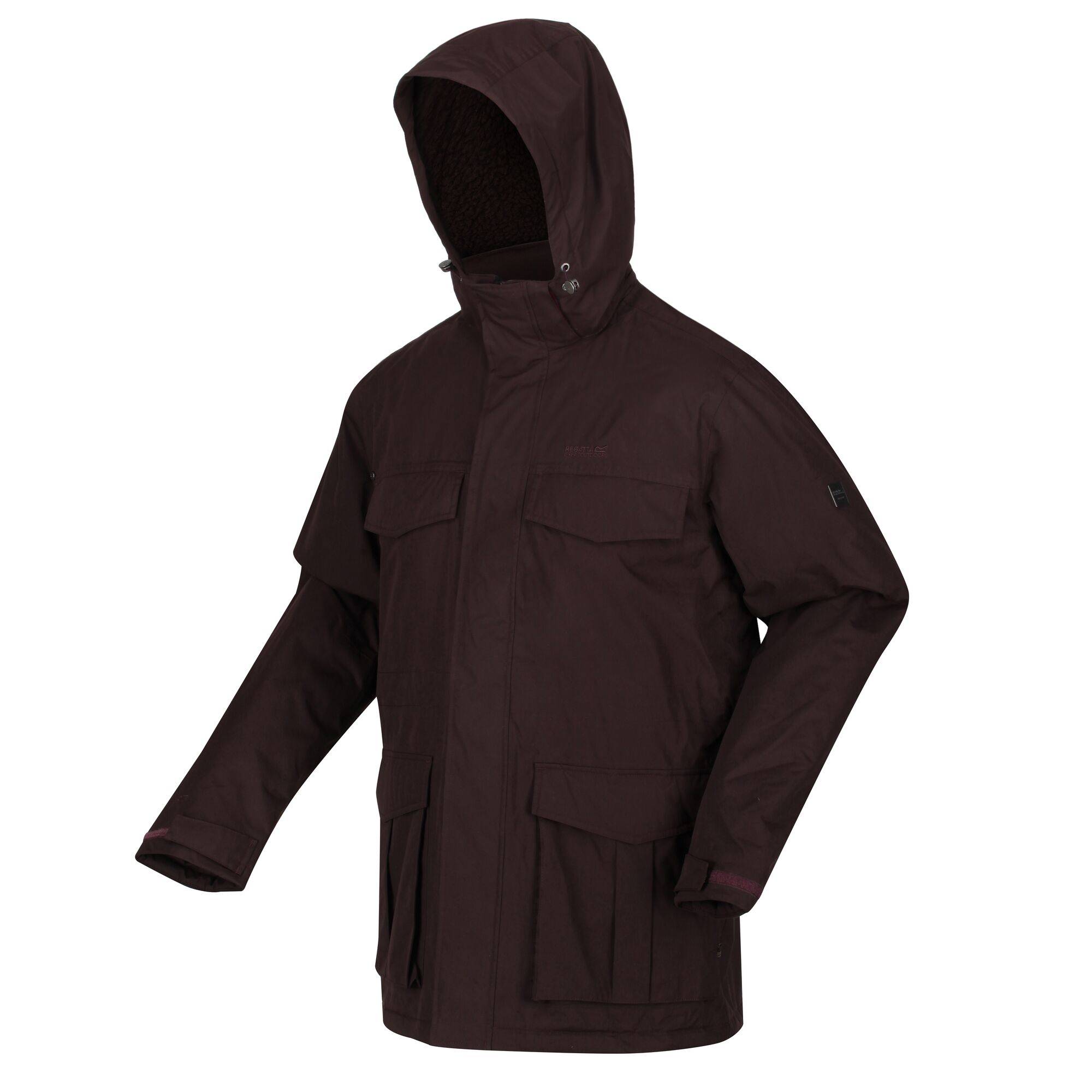
Your choice of tent matters too; see choosing a tent. And keep a dry waterproof jacket handy for night trips outside the tent.
Care and storage
- Store the bag loose, in a large storage sack or hung up, not compressed in its stuff sack.
- Wash only when needed, following the label; down needs a down specific wash.
- Dry fully before storing to prevent mildew.
Quick checklist
- Comfort temperature a few degrees below the coldest night expected.
- 3 season for most spring to autumn camping in Ireland.
- Synthetic for damp conditions and family camping; down for low weight.
- Shape and length that fit you, with room at the feet.
- An insulated mat underneath.
- A liner for extra warmth and easier cleaning.
- Store loose, never compressed.
Common questions
Which temperature on the label should I go by?
The comfort temperature. The limit figure is the temperature at which you are likely to be curled up and cold, and the extreme figure is an emergency survival rating, not a comfortable night.
Is a summer sleeping bag enough for camping in Ireland in summer?
Often not on clear nights, when temperatures can fall much lower than daytime suggests. A bag with a comfort temperature around 5 °C or below, plus a good mat, is a safer choice for most of the year.
Can I put a sleeping bag in the washing machine?
Many synthetic bags can be machine washed on a gentle cycle; check the label. Large bags may need a big drum machine. Down bags need a down specific wash and careful drying so the fill does not clump.